
Understanding gambling addiction signs, risks, and recovery options
Recognizing the Signs of Gambling Addiction
Gambling addiction, often referred to as compulsive gambling, manifests through various signs that can significantly impact one’s life. Individuals may exhibit a persistent urge to gamble, often disregarding the consequences. For instance, a person might chase losses, leading to increased financial strain and emotional distress. Recognizing these behaviors is crucial for early intervention and support. Players often find themselves exploring online casinos that accept paysafe as a way to engage with gambling while attempting to maintain some sense of control.
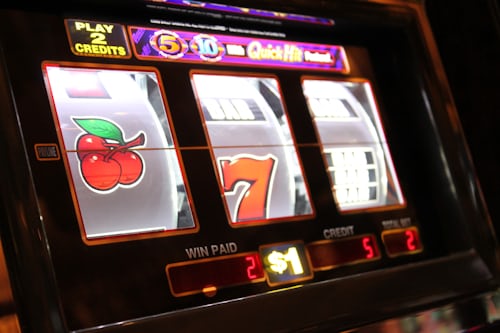
Another common sign is preoccupation with gambling activities, where individuals find themselves constantly thinking about past wins or planning their next gambling venture. This obsession can disrupt daily routines, relationships, and responsibilities. For example, someone may neglect work obligations or family commitments, prioritizing gambling over essential life aspects.
Additionally, individuals struggling with gambling addiction often experience feelings of guilt or shame after gambling. This internal conflict can create a vicious cycle, where they gamble again to escape these negative emotions. This behavioral pattern not only jeopardizes mental health but also places a strain on personal relationships, further complicating the recovery process.
Understanding the Risks Associated with Gambling Addiction
The risks associated with gambling addiction extend beyond personal loss; they can affect families and communities. Financial problems are among the most immediate consequences, as individuals may spend beyond their means, leading to debt or bankruptcy. For instance, a gambler might resort to borrowing money or even engaging in illegal activities to fund their addiction, causing further harm to their financial stability.
Mental health is another critical area impacted by gambling addiction. Many individuals experience anxiety, depression, and heightened stress levels as they struggle to cope with their gambling habits. The constant pressure to win back lost money can lead to severe emotional turmoil, potentially resulting in suicidal thoughts. Recognizing this mental health aspect is vital for providing the appropriate support and resources.
A critical aspect to be aware of is how paysafe casinos nz are becoming increasingly popular, providing a means for players to gamble a little more safely by keeping their financial information private.
Exploring Recovery Options for Gambling Addiction
Recovering from gambling addiction is a multifaceted process that typically requires professional help and support. Therapy, particularly cognitive-behavioral therapy, is commonly recommended as it helps individuals identify harmful thought patterns associated with gambling. Engaging in therapy can empower individuals to develop healthier coping mechanisms and foster a more balanced lifestyle.
Support groups, such as Gamblers Anonymous, also play a significant role in recovery. These groups provide a safe space for individuals to share their experiences, learn from others, and feel less isolated in their struggles. Sharing stories of success and challenges can create a sense of community and accountability, which is crucial in the recovery journey.
Additionally, self-exclusion programs can be a valuable tool for those seeking to control their gambling habits. These programs allow individuals to voluntarily ban themselves from gambling establishments, providing a structured way to avoid triggers. Combining these recovery options can create a comprehensive approach, enhancing the chances of a successful recovery from gambling addiction.
Implementing Responsible Gambling Practices
Responsible gambling practices are essential in preventing gambling addiction and promoting a healthy gaming experience. Establishing clear limits on time and money spent on gambling is a fundamental step. For instance, individuals should set strict budgets and stick to them, ensuring that gambling remains a form of entertainment rather than a financial burden. This proactive approach can help mitigate the risks associated with gambling.
Moreover, awareness and education about the signs of gambling addiction can empower individuals to make informed decisions. Understanding how gambling works and recognizing when it becomes problematic are critical components of responsible gambling. Many online platforms now offer resources and tools to help players monitor their gambling habits, which can encourage healthier behavior.
Finally, seeking support when gambling becomes overwhelming is a vital aspect of responsible gambling. Encouraging open discussions about gambling among friends and family can create a supportive environment, making it easier for individuals to seek help if needed. By fostering a culture of awareness and accountability, the community can help reduce the stigma associated with gambling addiction and promote healthier gaming practices.

Conclusion and Resources for Further Assistance
Understanding gambling addiction signs, risks, and recovery options is crucial for individuals and families affected by this issue. By recognizing the signs early and seeking help, individuals can embark on a path toward recovery and regain control over their lives. Various resources, including therapy, support groups, and responsible gambling practices, can play a pivotal role in this journey.
For those seeking more information or assistance, numerous organizations specialize in gambling addiction recovery. These resources can provide support, guidance, and community to individuals on their recovery journey. Reaching out for help is a vital step, and no one needs to face this struggle alone. Engaging with these resources can lead to a healthier, more balanced life free from the grips of gambling addiction.